Why Standing Water Is a Clock, Not a Puddle
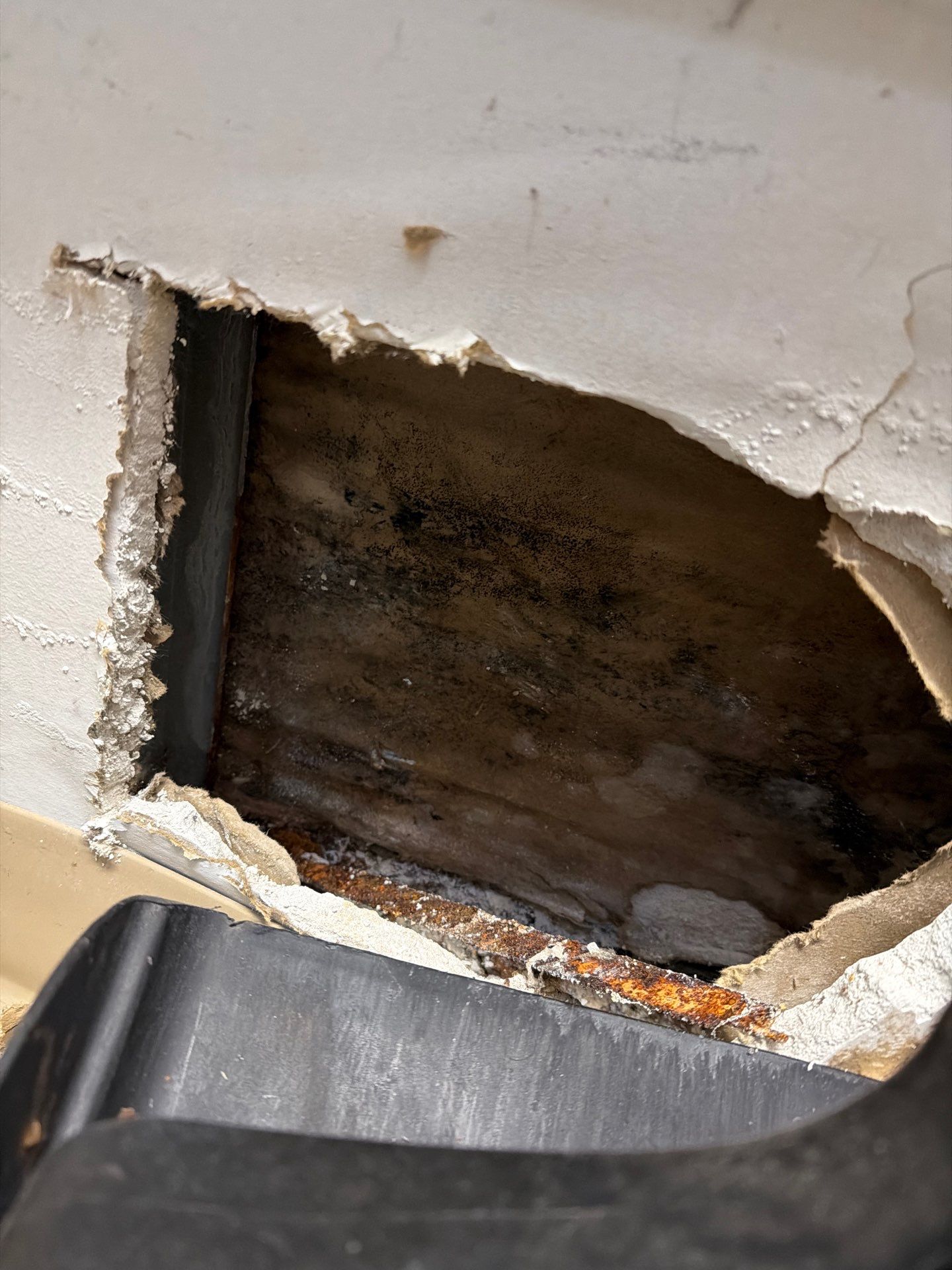
The first thing to understand about standing water is that it is not a static problem. From the moment water hits an unintended surface, it is migrating. It wicks up baseboards, climbs drywall through capillary action, slides under hardwood, and saturates the pad beneath your carpet within minutes. The IICRC, which is the body that certifies legitimate restoration professionals, recognizes that microbial growth can begin in as little as 24 to 48 hours once a structure stays wet. That is why every hour you wait raises the odds that a straightforward extraction job turns into demolition, mold remediation, and a much larger insurance claim. When we tell Smokey Row Estates homeowners that speed matters, we are not pushing urgency for a sale. We are describing physics.
The category of the water matters just as much as the volume. Category 1 is clean water from a supply line or a refrigerator hookup. Category 2 is gray water with some contamination, like a washing machine discharge or a dishwasher overflow. Category 3 is black water, which includes sewage backups, river flooding, and any water that has been sitting long enough to grow bacteria. Each category demands a different extraction protocol, different protective gear, and different decisions about what materials can be dried in place versus removed. When our technician arrives, the first thing we do after stopping the source is determine category, because that decision drives the entire scope. If you are dealing with a sewage situation, our sewage cleanup protocols use different equipment, different antimicrobials, and full PPE for the crew.
It is also worth noting that the clock does not stop just because the visible water is gone. Moisture trapped inside wall cavities, under cabinet kickplates, and beneath subflooring continues to feed microbial activity long after the surface looks dry to the touch. We have walked into homes in Smokey Row Estates where the homeowner mopped up a laundry room flood themselves, felt good about the work, and then called us three weeks later because the baseboards were buckling and the room smelled musty. The water was never really gone. It just moved into places they could not see, and the materials around it slowly gave up structural integrity while no one was watching.
What Professional Extraction Actually Looks Like
People imagine water extraction as a giant vacuum, and that is part of it, but the real work is more layered. We arrive in a marked truck with truck-mounted extractors that pull hundreds of gallons per hour, far beyond what any rental unit can do. For deeper saturation, we use weighted extraction tools that ride on top of carpet and pad and squeeze trapped water out under pressure. On hard surfaces we use squeegee wands and self-priming pumps. In a flooded basement we may set submersible pumps to handle the bulk volume before we even start the finer extraction. The goal in this first phase is simple: remove as much free water as physically possible, because every gallon we extract is a gallon we do not have to evaporate later with air movers and dehumidifiers.
Once the standing water is gone, we move into structural drying. This is where moisture meters, thermal imaging, and a documented drying plan separate professional restoration from a guy with a fan. We map moisture readings on a floor plan, set air movers at the right angles and counts based on the affected square footage, and place commercial dehumidifiers sized to the load. We come back daily, take new readings, and adjust equipment until the structure hits dry standard. For homeowners who want to understand the broader picture of what a full restoration involves, our overview of water damage restoration walks through how extraction connects to drying, repair, and final reconstruction.
Equipment selection is not arbitrary. A 500 square foot affected area with saturated carpet and pad needs a different ratio of air movers to dehumidifiers than the same square footage of hardwood over a crawlspace. Choosing wrong in either direction wastes time and money. Too little equipment leaves moisture behind and invites secondary damage. Too much equipment runs up the energy bill and can actually overdry certain materials, causing cracking in trim and finishes. The science of psychrometrics, which is the relationship between air temperature, humidity, and the rate at which water evaporates, is something our technicians train on continuously. It is the difference between a home that is genuinely dry in four days and a home that feels dry but still has 18 percent moisture content trapped in the bottom plates of the wall framing.
Cost, Insurance, and Honest Expectations in Smokey Row Estates
Most Smokey Row Estates homeowners want to know the number before they want to know the process, and that is fair. Standing water extraction typically runs between 500 and 1,500 dollars for a contained event like a single room or a small basement section. Larger jobs that involve full basement flooding, multiple floors, or Category 3 contamination can run between 2,500 and 7,500 dollars or more once drying, antimicrobial treatment, and any necessary demolition are included. The honest answer is that we cannot quote a real number until we see the affected area, measure moisture, and confirm category. Anyone giving you a firm price over the phone before they have walked the loss is guessing.
Homeowners insurance usually covers sudden and accidental water damage, which describes most of the calls we take. Burst pipes, appliance failures, and storm-driven intrusion typically qualify. Long-term seepage and unaddressed maintenance issues typically do not. We document everything from the moment we arrive, including photos, moisture maps, and itemized scopes that align with the language your adjuster expects. That documentation is often the deciding factor in whether a claim moves quickly or stalls for weeks while the adjuster requests additional evidence. Smokey Row Estates Water Restoration has worked with nearly every major carrier serving Smokey Row Estates, and we know what each one tends to ask for, which means we build the file correctly the first time rather than scrambling to produce it later. If you want to read more about how billing breaks down before we ever roll a truck, the water damage restoration cost breakdown is a useful primer for Smokey Row Estates homeowners trying to understand what their out-of-pocket might look like.
One last point worth saying out loud. If you are standing in water right now, the most important thing is your safety. Cut power to the affected area at the breaker if you can do it without stepping in the water. Stay out of any space where water is touching outlets or appliances. Move what you can off the floor, take a few photos for your records, and then call a professional. Smokey Row Estates Water Restoration answers the phone live 24 hours a day across Smokey Row Estates and the surrounding communities, and we can usually have a technician on site within the hour for true emergencies.